
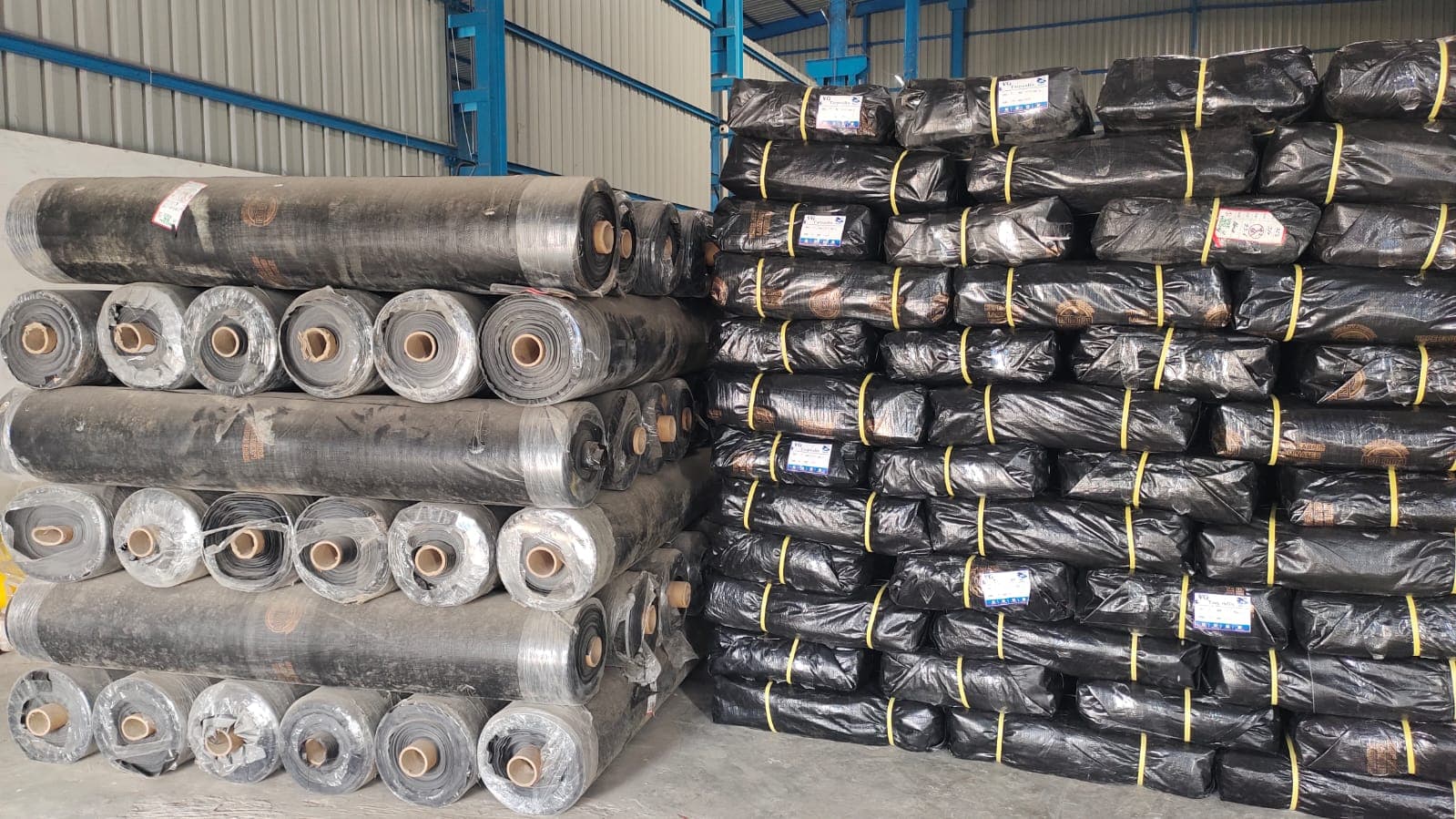
Understanding GSM in Tarpaulin Manufacturing
GSM stands for Grams per Square Meter. It is the primary metric used to determine the thickness, weight, and grade of tarpaulin fabric. Selecting the correct GSM prevents structural failures and ensures you do not overspend on unnecessary weight.
Here is a breakdown of common GSM categories and their recommended use cases:
- 100 - 150 GSM (Lightweight): Ideal for temporary household dust protection, vehicle covers, and simple agricultural crop shading. Easy to fold and carry.
- 200 - 250 GSM (Medium-Heavy Duty): The standard for highway transport covers, machinery coverings, and temporary outdoor storage shelters. Offers balanced durability and weight.
- 300 - 450 GSM (Super Heavy Duty): Designed for extreme environments, scaffolding wraps, concrete curing protection, and long-term storage under heavy wind, snow, or chemical exposure.
Material Comparison: HDPE vs PVC
While PVC (Polyvinyl Chloride) is highly flexible, it is heavy and expensive. HDPE (High-Density Polyethylene) offers a much higher strength-to-weight ratio, is more cost-effective, and is 100% recyclable. For most brochure and industrial storage setups, laminated HDPE woven fabric is the preferred selection because it combines high puncture resistance with lightweight handling.
How to Select Sizing and Eyelet Spacing
Always allow an extra 2 to 3 feet in dimensions to account for slope runoff and anchoring wraps. Metal grommets (eyelets) should be spaced no more than 3 feet apart on the borders to distribute tension evenly and avoid tearing out during storms.